



Home Addition Architecture
More Space Where You Need It
You love where you live—you just need more room. The neighborhood is perfect. Your kids' schools are great. You know your neighbors. Your home just needs to grow with your life. Our Design DNA Method™ ensures your addition feels like it's always been there.

10+
Years Tampa Bay Experience
50+
Tampa Bay Projects Completed
100%
Permit Approval Rate
24hrs
Zoning Report Delivery
Why Add On Instead of Moving
You love where you live—you just need more room
You Love Where You Live—You Just Need More Room
Life changes. Families grow. Work-from-home becomes permanent. Aging parents need space. Your house just needs to catch up with your life.
Maybe you need:
- A real master suite (not a bedroom with a cramped 1980s bathroom)
- A home office (with a door that closes and walls that block noise—not a corner of the bedroom)
- More kitchen space (because you can't fit more than two people in there now)
- A guest suite (for aging parents or adult kids returning home)
- Extra living space (a family room that actually fits your family)
- A screened lanai (to enjoy Florida's outdoor living year-round)
Here's the takeaway:
Adding on costs less than moving—and gets you exactly what you need without uprooting your life.
The Real Math: Addition vs. Moving
If You Move to Get More Space
- Selling costs: 6-8% commissions plus repairs ($50,000-80,000 on a $1M home)
- Buying costs: Closing costs, inspections, moving ($30,000-50,000)
- Probably compromising on location, schools, or neighborhood
- Total before you've improved anything: $80,000-130,000
A Well-Designed Addition
- Keep your location, schools, neighbors, memories
- Add exactly the space you need—no more, no less
- Often increases home value more than the investment cost
- No moving stress, no school disruptions, no starting over
Why it matters:
In established Tampa Bay neighborhoods like Hyde Park, Davis Islands, South Tampa, and Old Northeast St. Petersburg, land scarcity means additions often deliver better ROI than moving to larger homes in less desirable areas.
New to home addition design?
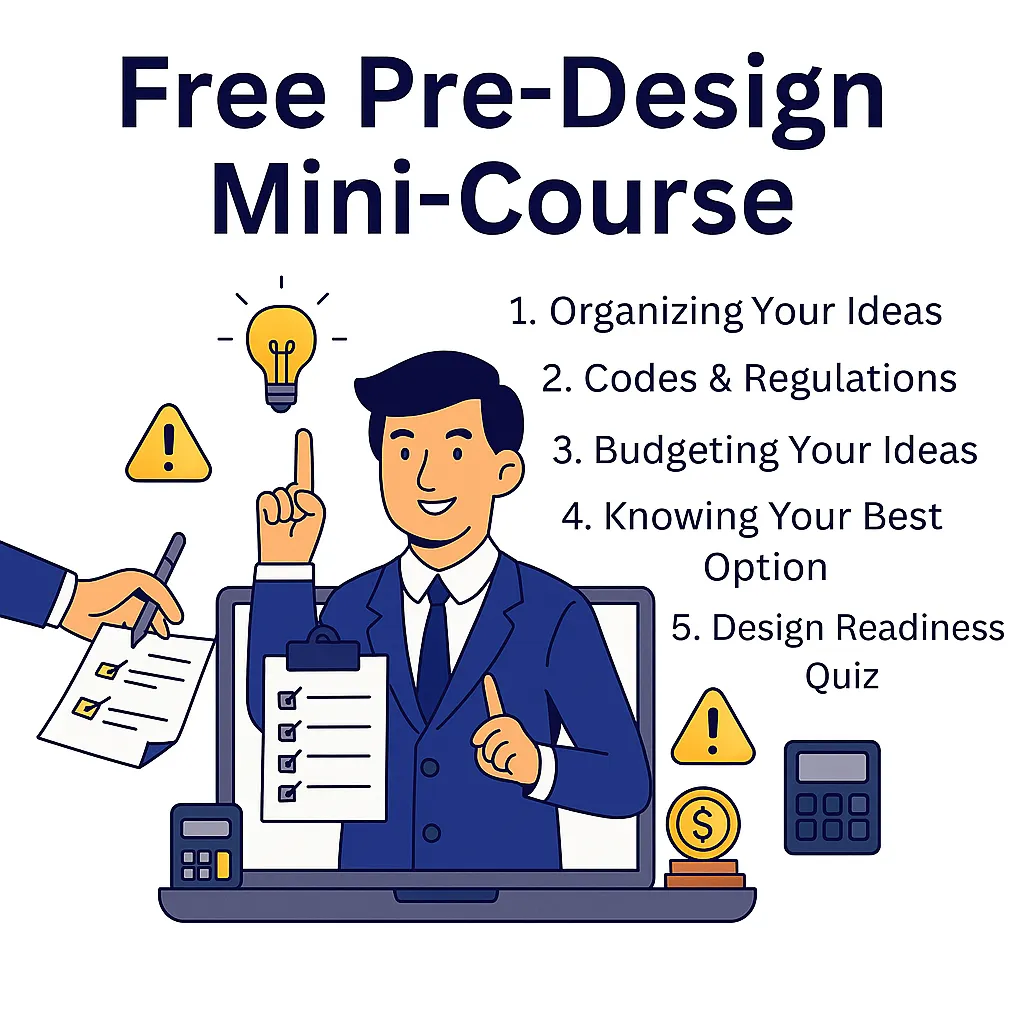
Start with our free mini-course, "5 Essentials Before Design," and learn how to plan your project with confidence.
Start the Free CoursePopular Addition Types in Tampa Bay
From master suites to second stories—designed for Florida living
Master Suite Additions
Create the private retreat you've always wanted. Typical master suite additions include spacious bedrooms with sitting areas or private balconies, spa-like bathrooms with double vanities and walk-in showers, large walk-in closets with proper organization, and separation from kids' spaces for true privacy.
Kitchen Expansions
Transform cramped kitchens into the heart of your home. We expand kitchens by bumping out toward yards, adding second-story additions above existing kitchens, removing walls to adjacent rooms while adding space beyond, or creating open-concept great rooms connecting kitchen, dining, and living.
Second-Story Additions
Maximize your footprint when you can't expand outward. Perfect for narrow lots in Hyde Park or beachfront properties in Clearwater where setbacks limit ground-level expansion. Requires structural evaluation, proper stair placement, new HVAC zoning, and careful design matching existing architecture.
Sunrooms & Florida Rooms
Capture Florida's indoor-outdoor lifestyle. We design screened lanais for year-round bug-free living, three-season rooms with operable windows, climate-controlled sunrooms with proper HVAC, and spaces that blur the line between inside and outside.
Home Office & Studio Additions
Create dedicated work-from-home space with proper separation. Includes private entry, soundproofing, proper lighting and electrical capacity, and built-in storage and workspace. Can be attached to main house or detached structures depending on setbacks and budget.
In-Law Suites & Guest Quarters
Multi-generational living designed for privacy and independence. Features separate entrance, kitchenette or full kitchen, accessible bathrooms, private living space, and connection to main house when desired. Critical in Florida: ADA-compliant design and proper egress for safety.
What this means for you:
Your addition type depends on your specific needs, your lot's constraints, and your budget. We help you choose the approach that delivers maximum impact.
The Design DNA Method™: Our 6-Step Addition Process
Most architects hand you drawings and disappear. We guide you through the entire journey.
Step 1: Understand Your Property & Budget Potential
Before we design anything, we need to understand what your property allows and what your budget unlocks.
Property Analysis:
- Setback requirements (how close can you build to property lines?)
- Lot coverage limits (maximum percentage of lot you can cover with structures)
- Height restrictions (second-story additions prohibited in some areas)
- Easements (utility easements may prevent building in certain areas)
- Tree protection (protected trees limit where you can build)
- Flood zones (additions in VE or AE zones require special foundation design)
- Historic requirements (Hyde Park and other historic districts require approval)
Existing Home Assessment:
- Foundation capacity (can it support a second story?)
- Roof structure (can we tie into it?)
- Existing systems (electrical panel capacity, HVAC size, plumbing availability)
- Structural integrity (any issues needing repair before adding on?)
Budget Reality Check:
We use our Needs, Wants, Options framework to understand what your investment can achieve.
For your family, this means... No surprises mid-design when you discover your dream addition won't fit your lot—or your budget. Just clarity from the start.
Step 2: Design DNA Discovery™
We uncover what you truly need the space to do—not just square footage.
We're exploring:
- How you'll actually use the space
- How it connects to existing home
- The moments you're designing for
- What frustrates you most now
- Future flexibility (will this space adapt as needs change?)
Why it matters: We're not just adding rooms—we're solving problems and creating the life you want. That requires understanding your actual needs, not just drawing rectangles.
Step 3: Conceptual Design
We create 2-3 fundamentally different approaches:
- Option A might expand horizontally (bumping out into yard)
- Option B might build vertically (second-story addition)
- Option C might combine both (small footprint expansion with vertical growth)
Each option includes our Needs, Wants, Options framework with honest pricing so there are no surprises when construction bids arrive.
Step 4: Design Development
We make the thousand decisions that transform concept into buildable addition:
Architectural Integration:
- Matching existing style (rooflines, materials, proportions, details)
- Window and door alignment (new windows line up with existing)
- Material transitions (where old meets new should be invisible)
- Exterior harmony (additions should enhance curb appeal)
Interior Connection:
- How you move between spaces
- Ceiling height alignment
- Finish consistency
- Natural light
Systems Integration:
- HVAC properly sized
- Electrical capacity
- Plumbing routing
- Structural engineering
Florida-Specific Details:
- Hurricane-rated construction
- Flood-resistant design
- Drainage and grading
- Termite prevention
Step 5: Construction Documents & Permitting
We create detailed drawings and navigate Tampa Bay's permitting maze:
Documents include:
- Complete architectural plans showing how addition connects to existing home
- Structural engineering (critical for second-story additions)
- MEP coordination (electrical, plumbing, HVAC properly sized and integrated)
- Product specifications
- Site plans showing setback compliance
Critical considerations:
- Setback compliance (additions must meet current setbacks even if existing home doesn't)
- Lot coverage limits
- Tree protection permits
- The 50% rule (in flood zones, certain thresholds trigger full elevation requirements)
Step 6: Construction Administration
We stay involved when construction happens—ensuring your addition turns out right:
- Regular site visits (checking work matches drawings)
- Contractor question responses
- Material/finish approvals
- Transition detail oversight (where new meets old is critical)
- Change order evaluation
- Final punch lists
What this means for you: Additions are complex—new must integrate with old structurally and visually. You have an advocate ensuring contractors don't cut corners that compromise quality or create problems later.
Ready to expand your home?
Let's discuss your addition goals in a complimentary clarity call.
Schedule a Clarity CallUnderstanding Your Addition Investment
What Influences Addition Costs
Addition type and size:
- Single-story ground-level additions: typically least expensive
- Second-story additions: require foundation evaluation and reinforcement
- Additions over existing space: depend on existing structure's capacity
- Attached vs. detached: detached requires separate foundation, roof, and systems
Structural complexity:
- Simple rectangular additions cost less than complex shapes
- Matching existing rooflines increases costs but improves aesthetics
- Foundation work varies greatly by type and site conditions
- Tying into existing structure requires careful engineering
Integration challenges:
- Matching existing materials (especially historic homes)
- Custom millwork to match existing trim details
- Roof tie-ins and transitions
- HVAC system modifications or replacements
Why it matters:
Understanding variables helps set realistic expectations. We price your Needs, Wants, Options tiers honestly upfront.
Return on Investment
Smart additions typically deliver:
- 60-80% cost recovery in home value (better in high-demand Tampa Bay neighborhoods)
- Enhanced livability (priceless daily improvement)
- Neighborhood competitiveness (homes with master suites sell faster/higher in South Tampa)
- Insurance considerations (additions must meet current codes)
Best ROI additions:
- Master suite additions (especially where most homes have cramped master bedrooms)
- Kitchen expansions (buyers pay premium for great kitchens)
- Functional space (home offices increasingly essential)
- Second-story additions on narrow lots (maximize value when you can't expand outward)
Want to understand addition costs in detail?
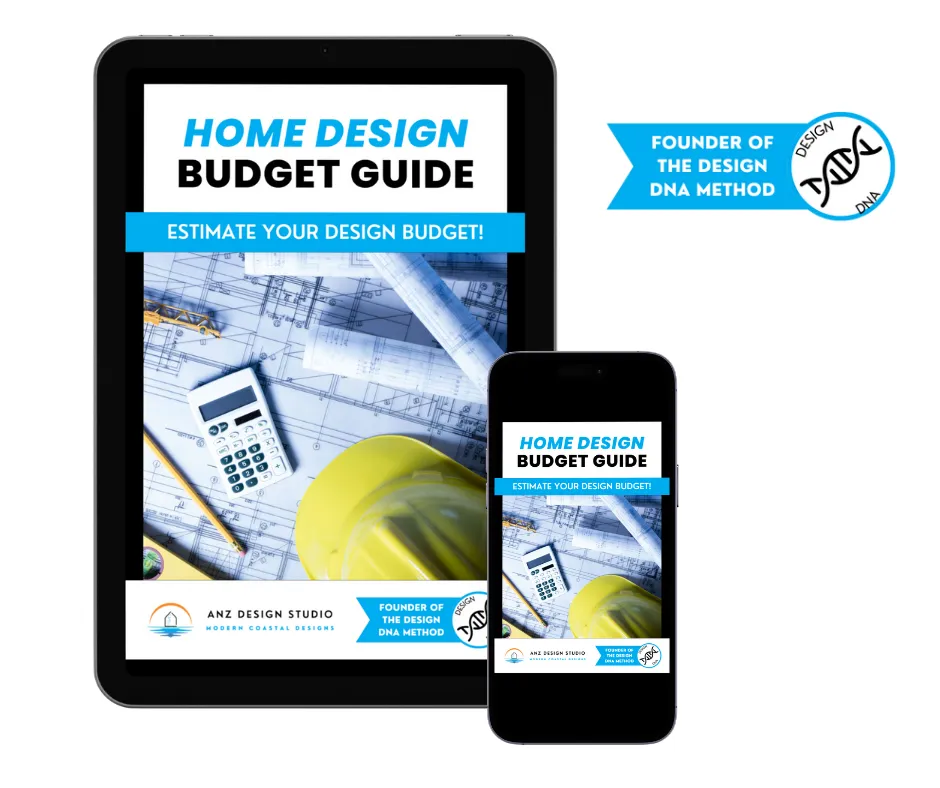
Download our comprehensive guide to addition budgeting.
Download the Home Design Budget GuideAddition Timeline Expectations
Typical journey from first meeting to completion:
- Property Analysis & Discovery: 2-4 weeks
- Conceptual Design: 3-4 weeks
- Design Development: 6-8 weeks
- Construction Documents: 6-8 weeks
- Permitting: 1-4 months (varies by jurisdiction and complexity)
- Construction: 6-18 months (depending on size & complexity)
Total: 10-24 months depending on project scope
Master suite addition: 10-14 months total
Second-story addition: 14-20 months total
Historic district additions (Hyde Park): Add 2-3 months for review
What this means for you:
If you need the space by a specific date (baby arriving? parents moving in?), we back-plan from that deadline and tell you honestly whether it's achievable.
Common Addition Questions
Answers to help you understand the addition process
Will my addition look like an obvious add-on?
Not if it's designed correctly. The hallmarks of bad additions:
- Roof doesn't match existing style
- Windows don't align with existing windows
- Materials don't match
- Proportions feel wrong
- Transitions are abrupt
Our approach: Study your home's architectural DNA, design rooflines that appear original, align new windows with existing grid, match or complement materials seamlessly, and create smooth transitions between old and new.
Why it matters: Great additions enhance your entire home. Bad additions scream "afterthought" and hurt resale value.
Can I add a second story to my Tampa Bay home?
Maybe—depends on your foundation:
Most Florida homes have slab-on-grade foundations (concrete poured directly on ground). These typically can't support second-story loads without significant reinforcement—expensive foundation work involving piers drilled deep into soil.
Homes with pier-and-beam or block foundations can more easily support second stories.
We evaluate: Foundation type and condition, soil bearing capacity, cost of reinforcement vs. other options, and whether return on investment justifies foundation work.
How do you handle living in the house during construction?
You can usually stay when:
- Addition is primarily exterior work (master suite, garage, sunroom)
- Critical systems remain functional
- Contractor contains dust and maintains security
Consider moving out when:
- Major roof work affects entire house
- HVAC system requires extended shutdown
- Structural work compromises safety
- Construction affects all bathrooms simultaneously
What about matching materials on older homes?
Matching is critical but challenging for Tampa Bay homes built 1920s-1970s:
- Original siding may be unavailable (we source salvage or custom mill new)
- Historic brick no longer manufactured (we find close matches or use salvage)
- Roof tiles discontinued (architectural salvage or modern equivalents)
- Windows different sizes (we custom-order or redesign opening sizes)
Cost impact: Typically 15-25% premium over standard materials, but essential for seamless integration—especially in historic neighborhoods like Hyde Park.
Do I need an architect for a home addition?
Technically: Not always legally required in Florida.
Practically: Yes, for several reasons:
- Code compliance (additions trigger complex requirements)
- Permit approval (professional drawings get approved faster)
- Structural integrity (tying new into old requires engineering expertise)
- Resale value (well-designed additions enhance value; poorly designed ones hurt it)
- Cost control (architects prevent expensive mistakes and change orders)
Can we add a screened porch or lanai?
Absolutely—this is Florida living at its finest:
Design considerations:
- Size and proportions (should feel like outdoor room, not afterthought)
- Roof structure (hip roof, gable roof, attached vs. freestanding)
- Screening systems (fixed frame, retractable, hurricane-rated)
- Flooring (tile, pavers, stained concrete—must handle Florida moisture)
- Ceiling fans and lighting (outdoor-rated fixtures)
- Electrical outlets (GFCI required)
ROI: Excellent in Florida—outdoor living space is highly desirable and relatively affordable compared to interior additions.
Adding On Across Tampa Bay
We serve the entire Tampa Bay region. Here are some of our primary areas:
Tampa
From Hyde Park's narrow lots requiring creative addition solutions to South Tampa's larger properties allowing horizontal expansion, Tampa's diverse neighborhoods present unique challenges. We navigate everything from historic review requirements to modern subdivision restrictions.
Learn more: Tampa Architecture Services →St. Petersburg
From bungalows in Old Northeast requiring sensitive additions to waterfront properties along the bay needing flood-compliant design, St. Petersburg additions require architects who understand both historic preservation and coastal construction.
Learn more: St. Petersburg Architecture Services →Clearwater
Beach properties and coastal homes need additions that handle salt air, flood zones, and hurricane exposure while respecting tight setbacks common in beach communities. Your addition needs resilience built in from day one.
Learn more: Clearwater Architecture Services →Davis Islands
Adding on to Tampa's premier island neighborhood means navigating flood requirements, architectural review standards, and maximizing value in one of Tampa Bay's most desirable—and expensive—addresses where every square foot matters.
Learn more: Davis Islands Architecture Services →Hyde Park
Adding to Tampa's beloved historic neighborhood requires architects who navigate Architectural Review Commission requirements while creating additions that honor history without looking like obvious afterthoughts.
Learn more: Hyde Park Architecture Services →These represent our primary service areas, though we work throughout the greater Tampa Bay region.
Get the Space You Need Without Leaving the Place You Love
You don't have to choose between the space you need and the neighborhood you love.
Your home can grow with your life. That cramped master bedroom can become a real retreat. That kitchen where you're always bumping into each other can become the heart of your home. That missing home office can finally give you the professional space you need.
Addition architecture isn't about slapping rooms onto houses—it's about thoughtfully expanding your home in ways that look original, function beautifully, and enhance your property's value.
With our Design DNA™ Method, you're not navigating this alone. You have a guide who understands Tampa Bay's codes, who knows how to make additions look like they've always been there, who protects your vision and budget from assessment through final walkthrough.

Personalized Process
Each step designed to ensure every detail is tailored to you.

Clarity & Confidence
No second guessing. Every phase mapped out with precision.

End-to-End Support
Expert guidance from first call to move-in day.
FOLLOW US


ABOUT
RESOURCES
SERVICES
LOCATIONS
CONTACT
(813) 845-0945
Copyright 2026. Anz Design Studio. All Rights Reserved.